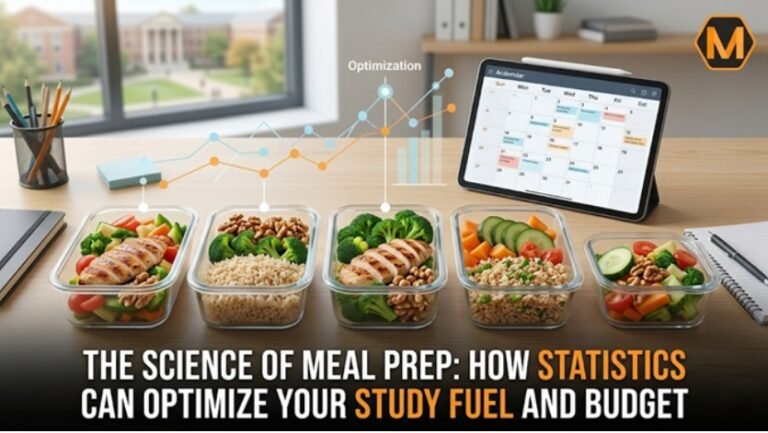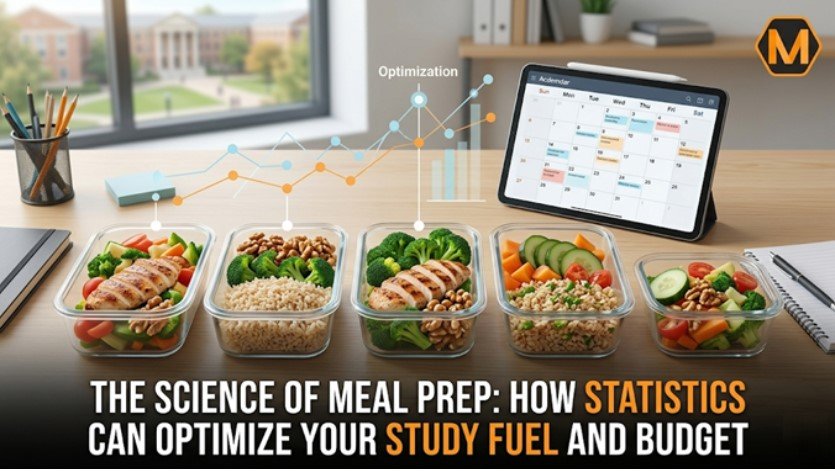
The Science of Meal Prep: How Statistics Can Optimize Your Study Fuel and Budget
The transition to university life often feels like a balancing act where sleep, grades, and a social life are constantly competing for attention. However, one of the most overlooked variables in this equation is nutrition. For many undergraduate students, the “freshman fifteen” or the reliance on instant noodles isn’t just a cliché; it’s a result of a lack of time and a dwindling budget. Meal prepping—the practice of preparing meals or ingredients in advance—is often marketed as a fitness trend, but for a student, it is a sophisticated exercise in resource management. When you approach your kitchen with the mindset of a researcher, you can transform your fridge into a tool for academic success.
Managing a heavy course load requires more than just caffeine and willpower; it requires a consistent supply of glucose and micronutrients to keep the brain functioning at its peak. Navigating the complexities of a syllabus while trying to maintain a healthy lifestyle can be overwhelming. This is where professional assignment helper services become a vital part of a student’s ecosystem, allowing you to delegate time-consuming writing tasks so you can focus on mastering life skills like nutritional planning. By streamlining your academic responsibilities, you create the mental space necessary to treat your health as a priority rather than an afterthought.
The Economic Efficiency of Batch Cooking
From a financial perspective, meal prepping is an exercise in economies of scale. When you buy ingredients in bulk—such as rice, lentils, or frozen vegetables—the price per unit drops significantly. Most students fall into the trap of “convenience buying,” where individual portions of pre-packaged food carry a hidden tax.
By dedicating a Sunday afternoon to cooking, you reduce the “transaction costs” of daily life. You are no longer spending ten minutes every morning deciding what to eat or twenty minutes standing in a cafeteria line. Instead, you have a ready-to-eat inventory that ensures you never have to study on an empty stomach because you ran out of time between lectures.
Quantitative Nutrition: Measuring Your Output
Understanding what you put into your body is remarkably similar to analyzing a data set. You have inputs (calories, proteins, fats) and outputs (energy levels, concentration span, and physical health).
| Component | Role in Student Life | Best Meal Prep Sources |
| Complex Carbs | Sustained brain energy | Brown rice, Quinoa, Oats |
| Healthy Fats | Cognitive function | Walnuts, Chia seeds, Olive oil |
| Lean Protein | Muscle repair & satiety | Chickpeas, Eggs, Chicken breast |
| Antioxidants | Stress reduction | Berries, Spinach, Dark chocolate |
By tracking these variables, even loosely, you begin to see patterns. Perhaps you notice that a high-carb lunch leads to a “brain fog” during your 2:00 PM chemistry lab, or that a high-protein breakfast keeps you sharp through a three-hour seminar. This is the beginning of using logical frameworks to optimize your personal performance.
Statistical Optimization in the Kitchen
Mastering the kitchen requires a level of precision that many students find familiar in their textbooks. Applying a structured approach to your grocery list and cooking schedule can prevent the common “yield variance” where you cook too much food that eventually goes to waste. If you are struggling to balance these analytical concepts with your coursework, exploring Statistics Assignment Help through Myassignmenthelp Services can offer the clarity needed to understand how probability and data trends apply to both your studies and your daily habits. Using such specialized academic support ensures that your grasp of complex data remains as sharp as your meal-planning skills.
Reducing the “Decision Fatigue” Factor
Decision fatigue is a real psychological phenomenon where the quality of your choices deteriorates after a long day of making decisions. For a student, the sheer volume of choices—from which sources to cite in a paper to which elective to take—is exhausting. By the time 6:00 PM rolls around, the easiest decision is often the unhealthiest one: ordering takeout.
Meal prepping removes this choice from the daily menu. When the decision has already been made (and paid for) on Sunday, you preserve your cognitive energy for your assignments. This “pre-commitment” strategy is a proven way to stick to goals, whether they are fitness-related or academic.
Global Flavors on a Student Budget
One of the best things about meal prepping is that it isn’t limited by geography. Whether you are studying in London, Toronto, Melbourne, or Dubai, the core principles of “grain + green + protein” remain the same.
- In the UK: Lean into hearty root vegetables and stews that stay well in the fridge.
- In Canada/USA: Utilize slow cookers for large batches of chili or soups that can be frozen.
- In the UAE/Middle East: Use chickpeas and bulgur wheat for salads that stay fresh and crisp for days.
By using spices instead of expensive pre-made sauces, you can travel the world through your lunchbox without breaking your student budget. Spices like turmeric, cumin, and smoked paprika are inexpensive and have been linked to anti-inflammatory benefits, which is a bonus during high-stress exam seasons.
The Long-Term ROI of Health
In finance, Return on Investment (ROI) is everything. For a student, the ROI of meal prepping isn’t just the money saved on fast food; it’s the long-term health of your brain and body. High-sugar, highly processed diets are linked to fluctuations in insulin that can cause irritability and fatigue—the enemies of a successful study session.
By investing three hours a week into meal preparation, you are essentially “buying back” your health and your time. You are ensuring that during finals week, when everyone else is crashing from sugar highs, you have a steady supply of nutrients to keep your cognitive gears turning.
Conclusion
The science of meal prep is ultimately about control. It is about taking a chaotic aspect of student life—nutrition—and turning it into a predictable, optimized system. By applying the same analytical rigor to your meals as you do to your most difficult assignments, you set yourself up for a sustainable and successful academic career.
Frequently Asked Questions (FAQ)
1. How long does meal-prepped food actually stay fresh?
Ans: Most cooked meals stay fresh in the refrigerator for 3 to 4 days. If you prep on Sunday, plan to eat those meals by Thursday. For Friday and Saturday, consider freezing a portion or doing a “mini-prep” on Wednesday evening.
2. Is meal prepping expensive to start?
Ans: Actually, it’s the opposite. The initial “investment” in a few good-quality containers is the only major cost. Buying staple ingredients in bulk like rice, beans, and frozen veggies is much cheaper than buying individual daily meals.
3. I have a very small dorm fridge. Can I still meal prep?
Ans: Yes! Focus on “ingredient prepping” rather than “full-meal prepping.” Chop your veggies, cook a large batch of one grain, and prepare one protein. These take up less space than five separate bulky containers and allow you to “assemble” different meals quickly.
4. How can I keep the food from tasting boring?
Ans: The secret is in the sauces and spices. Keep your base ingredients (like chicken and rice) relatively neutral, and add different dressings or spice blends each day. One day can be lime and cilantro, the next can be spicy sriracha.
5. Does meal prepping really help with my grades?
Ans: Indirectly, yes. Better nutrition leads to better focus, more energy, and less illness. Furthermore, the time saved from not having to cook every day can be redirected toward extra study time or much-needed rest.
About The Author
I am Min Seow, a dedicated researcher and academic strategist with a deep-seated interest in how logical frameworks can simplify the complexities of higher education. My work focuses on bridging the gap between rigorous data analysis and everyday student productivity, helping learners find sustainable ways to manage their heavy course loads.
About the Author