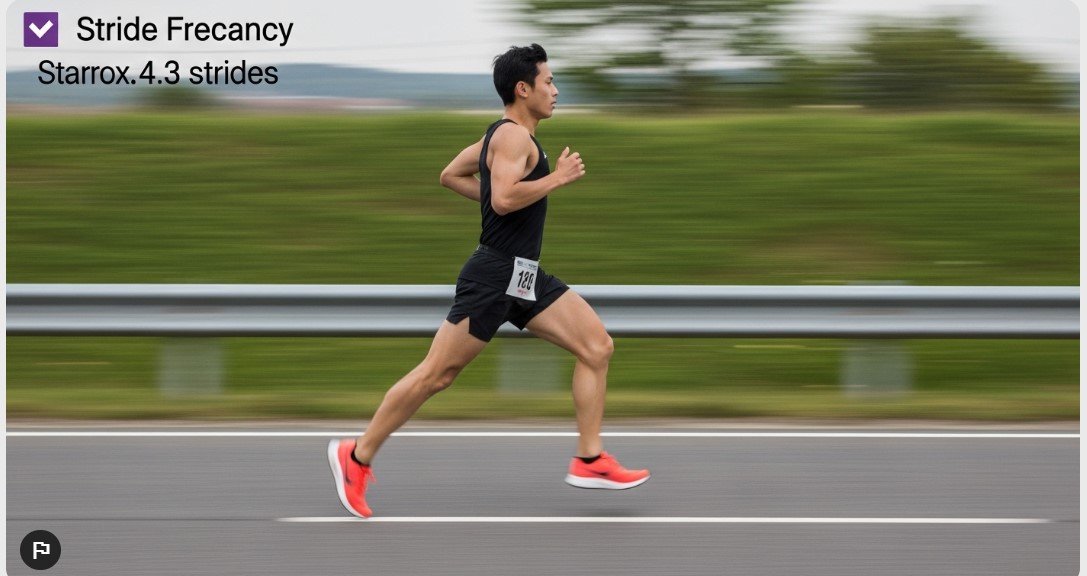
usain bolt speed
There is one name synonymous with speed, and that is Usain Bolt. Known as the fastest man alive, Usain Bolt has mesmerized not just sports fans but scientists as well through his impressive feats on the track. Usain Bolt speed is something that many think has been the highest speed any man can achieve.
This article will be a complete guide to Usain Bolt speed. We will cover all you need to know from record runs to his maximum speed and even how he accelerated.
What Is Usain Bolt Speed?
Bolt’s speed implies the greatest pace that Usain Bolt was able to attain during his track career. The speed of Usain Bolt is expressed using meters per second (m/s), kilometers per hour (km/h), and miles per hour (mph).
At his peak, Bolt reached an astonishing top speed of approximately:
- 44.72 km/h (27.8 mph)
- 12.42 meters per second
This incredible velocity was recorded during his 100-meter world record run at the 2009 World Championships in Berlin.
Usain Bolt’s World Records
100-Meter Record
Bolt’s most famous achievement is his 100-meter world record:
- Time: 9.58 seconds
- Location: Berlin, Germany
- Year: 2009
This race is widely considered the fastest sprint ever run in human history.
200-Meter Record
Bolt also holds the 200-meter world record:
- Time: 19.19 seconds
- Location: Berlin, Germany
- Year: 2009
These records have remained unbeaten for over a decade, further solidifying the legend of Usain Bolt speed.
Breaking Down Usain Bolt Speed
Acceleration Phase
Bolt’s race can be divided into different phases, starting with acceleration:
- First 30 meters: Building momentum
- Slightly slower start compared to shorter sprinters
- Uses long strides to gradually increase speed
Despite not having the fastest reaction time, Bolt compensates with powerful acceleration.
Maximum Velocity Phase
Between 60–80 meters, Bolt reaches his top speed:
- Peak speed: 44.72 km/h
- Maintains speed longer than competitors
- Longer stride length provides advantage
This phase is where Usain Bolt speed becomes unmatched.
Deceleration Phase
Most sprinters begin slowing down after 80 meters, but Bolt:
- Maintains high velocity longer
- Slows down less than competitors
- Finishes strong even when easing up
This ability to resist deceleration is a key factor in his dominance.
The Science Behind Usain Bolt Speed
1. Stride Length and Frequency
Bolt’s height (6’5” or 1.95m) plays a major role:
- Average stride length: 2.44 meters
- Fewer steps than competitors
- Covers more ground per stride
While other sprinters take around 44–45 steps in a 100m race, Bolt completes it in about 41 steps.
2. Muscle Fiber Composition
Bolt has a high percentage of fast-twitch muscle fibers, which are responsible for explosive movements:
- Rapid contraction speed
- High القوة output
- Ideal for sprinting
These fibers allow him to generate immense power in a short time.
3. Ground Force Production
One of the biggest factors in Usain Bolt speed is how much force he applies to the ground:
- Strong push-off with each step
- High القوة-to-weight ratio
- Efficient energy transfer
This enables him to propel forward with maximum efficiency.
4. Aerodynamics and Running Form
Bolt’s running posture is nearly perfect:
- Upright torso at top speed
- Relaxed shoulders and arms
- Minimal air resistance
This reduces energy waste and helps maintain high velocity.
How Fast Is Usain Bolt Compared to Others?
vs Average Human
- Average running speed: 8–12 km/h
- Bolt’s top speed: 44.72 km/h
Bolt is nearly 4 times faster than an average person.
vs Other Elite Sprinters
Even among world-class athletes, Bolt stands out:
- Elite sprinters top speed: 37–40 km/h
- Bolt exceeds them significantly
His combination of stride length and endurance at top speed is unmatched.
vs Animals
Although Bolt is incredibly fast, some animals are faster:
- Cheetah: ~100 km/h
- Horse: ~88 km/h
- Dog (Greyhound): ~72 km/h
Still, Bolt remains the fastest human ever recorded.
Training Secrets Behind Usain Bolt Speed
Strength Training
Bolt focused heavily on building power:
- Squats and deadlifts
- Olympic lifts
- Core strengthening
This helped improve explosive force during sprints.
Sprint Drills
To enhance speed and technique:
- Acceleration drills
- High-knee exercises
- Resistance sprints
These drills improved both stride efficiency and القوة output.
Flexibility and Recovery
Flexibility was crucial for preventing injuries:
- Regular stretching routines
- Physiotherapy sessions
- Massage therapy
Recovery allowed Bolt to maintain peak performance.
Diet and Nutrition
Bolt followed a balanced diet:
- High-protein meals
- Carbohydrates for energy
- Hydration focus
Interestingly, he famously ate chicken nuggets during the Olympics—but overall, his diet supported elite performance.
Biomechanics: Why Usain Bolt Speed Is Unique
Height Advantage
At 6’5”, Bolt is taller than most sprinters:
- Longer limbs
- Greater stride coverage
- More efficient movement
While height can sometimes be a disadvantage in sprinting, Bolt turned it into a strength.
Reaction Time
Bolt’s reaction time is not the fastest:
- Around 0.146 seconds
- Slower than some competitors
Yet, he compensates with superior acceleration and top speed.
Energy Efficiency
Bolt uses less energy per meter:
- Smooth running style
- Minimal wasted motion
- Efficient القوة application
This allows him to sustain speed longer.
Psychological Factors Behind Usain Bolt Speed
Confidence
Bolt’s confidence is legendary:
- Relaxed before races
- Enjoys the spotlight
- Believes in his ability
This mental strength contributes to his performance.
Focus and Composure
Despite global pressure:
- Stays calm under stress
- Maintains concentration
- Executes race strategy perfectly
Mental toughness is a key component of elite speed.
Can Anyone Beat Usain Bolt’s Speed?
This is one of the biggest questions in athletics.
Current Contenders
Many sprinters have come close, but none have surpassed Bolt’s records. Athletes continue to train harder, using advanced technology and sports science.
Factors That Could Break the Record
- Improved training methods
- Better track surfaces
- Advanced biomechanics analysis
- Genetic advantages
However, breaking Bolt’s 9.58-second record will require an extraordinary athlete.
Usain Bolt Speed in Numbers
Here’s a quick summary:
- Top Speed: 44.72 km/h
- 100m Record: 9.58 seconds
- 200m Record: 19.19 seconds
- Stride Length: 2.44 meters
- Steps (100m): ~41
These numbers highlight why Usain Bolt speed is unmatched.
Impact of Usain Bolt Speed on Sports
Revolutionizing Sprinting
Bolt changed how sprinting is viewed:
- Focus on stride length
- Importance of relaxation
- New training techniques
Inspiring Athletes Worldwide
Millions of athletes look up to Bolt:
- Motivates young sprinters
- Raises performance standards
- Global icon of speed
Advancements in Sports Science
Bolt’s performances have led to:
- New research in biomechanics
- Better training programs
- Enhanced performance analysis
Fun Facts About Usain Bolt Speed
- Bolt slowed down before finishing in some races—yet still broke records
- He holds 8 Olympic gold medals
- His nickname is “Lightning Bolt”
- He once ran 100m in 9.58 seconds—faster than many cars accelerate
Conclusion
While Usain Bolt speed does not only involve running quickly but also consists of an excellent blend of genetics, training, biomechanics, and psychology, Bolt has created a record in both the 100m race and 200m race. He holds the world records for 9.58 seconds in 100m and 19.19 seconds in 200m.
From long strides to powerful sprinting abilities, relaxed style of running, and exceptional peak speed, Bolt has established such a level of speed that may take a few years, or maybe even decades, to be beaten.
If you are an athlete, sports fan, or a curious person wanting to know more about the human body, understanding Usain Bolt speed will definitely help you.
About the Author